





























How to Maintain Cricket Bats in Hot US Weather
Cricket bats, especially those made from English willow, require special care in hot US weather. High temperatures, dry air, and sudden humidity changes can cause bats to crack, dry out, or lose performance if not maintained properly. Whether you are a beginner or a professional cricketer, following the right bat maintenance practices will help extend the life of your bat and keep its performance at the highest level.
Why Hot Weather Is Harmful to Cricket Bats
In many parts of the United States, summer temperatures often exceed 90°F (32°C). English willow is a natural wood that contains moisture. Excessive heat can draw moisture out of the bat, making it brittle and prone to cracks. On the other hand, sudden exposure to humidity after dryness can cause swelling, leading to surface damage and reduced stroke quality.
Proper bat care is essential for players practicing or playing matches regularly in hot US conditions.
1. Oil Your Cricket Bat Regularly
Oiling is the most important step in maintaining a cricket bat in hot weather.
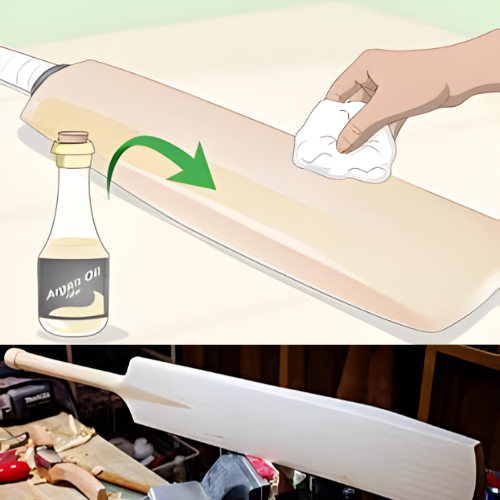
Use raw linseed oil or special cricket bat oil
Apply a light coat every 3–4 weeks during summer
Focus on the face, edges, and toe (avoid the splice and handle)
Allow the bat to rest horizontally for 24 hours after oiling
Oiling helps retain moisture, prevents the bat from drying out, and reduces the risk of cracks.
2. Use an Anti-Scuff Sheet or Bat Tape
Hot and dry pitches increase friction between the ball and bat.
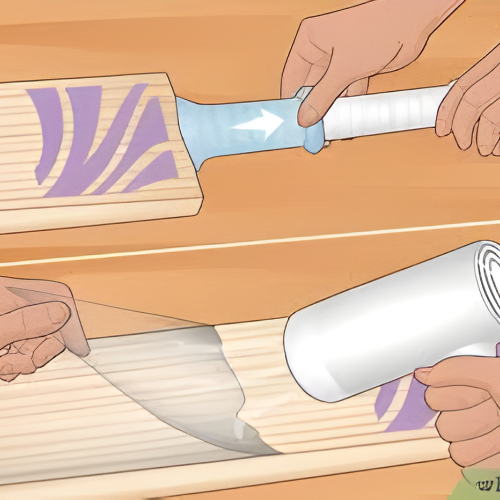
Apply a transparent anti-scuff sheet to the bat face
Alternatively, use fiberglass or bat tape
This protects the willow from surface cracks and premature wear
Anti-scuff protection is highly recommended for hard tennis balls and practice sessions in hot weather.
3. Avoid Leaving the Bat in Hot Places
Never leave your cricket bat:
Inside a parked car
Near windows with direct sunlight
In garages without temperature control
Extreme heat can warp the bat and weaken the glue holding the handle. Always store your bat in a cool, shaded, and ventilated area.
4. Proper Storage Is Key
Use a bat cover or padded bat case when not in use. Store the bat:
Flat or vertically with the toe facing down
Away from air conditioners or heaters
In rooms with moderate temperature
Avoid hanging bats by the handle for long periods, as this can stress the handle joint.
5. Knock-In and Warm-Up Before Play
In hot climates, bats may feel harder due to dryness.
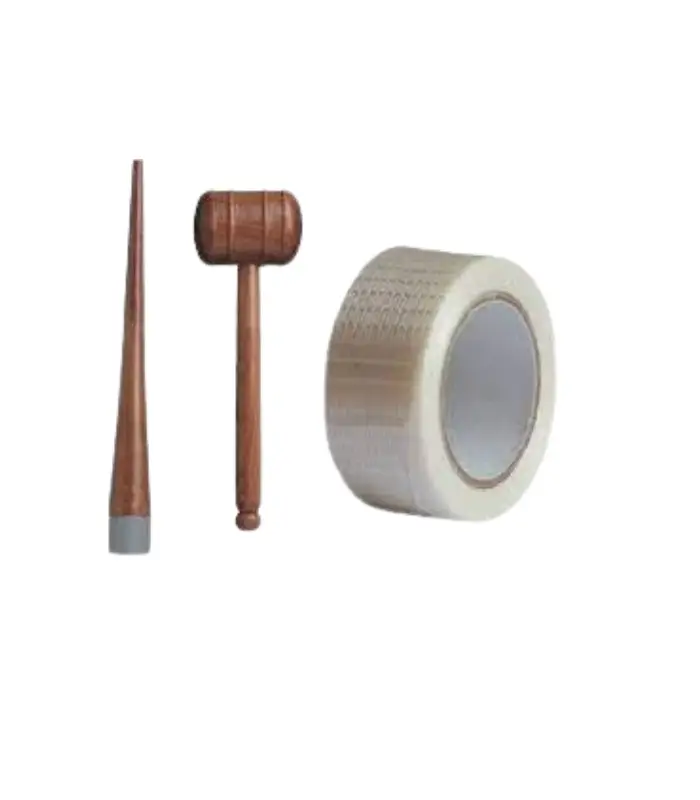
Knock-in new bats properly using a mallet
Before matches, gently warm up the bat with soft throw-downs
Avoid using a cold or dry bat immediately against hard balls
This prevents edge damage and improves stroke response.
6. Keep the Toe Protected
The toe is the most vulnerable part of the bat, especially on dry US pitches.
Apply toe guard or toe tape
Seal the toe with oil sparingly
Prevent moisture loss and cracking from hard surfaces
Toe protection significantly extends bat life in outdoor conditions.
7. Clean Your Bat After Every Game
After play:
Wipe the bat with a soft dry cloth
Remove dirt, sweat, and ball residue
Avoid using water or chemicals
Regular cleaning helps maintain the bat’s balance and appearance.
Final Thoughts
Maintaining a cricket bat in hot US weather requires consistent care, but the results are worth it. Proper oiling, storage, and protection can add years of life to your bat while preserving its performance and power. Whether you play league cricket, tennis ball cricket, or indoor matches, following these bat maintenance tips will ensure your investment stays match-ready throughout the season.
If you are serious about your game, remember: a well-maintained cricket bat performs better, lasts longer, and feels better at the crease.
Storage
Keep the bat away from direct sunlight—never leave it in a car trunk, garage, or outdoors.
Store it in a cool, dry room with good airflow.
Use a bat cover or padded case to protect it from heat exposure.
Oiling
Apply 2–3 light coats of raw linseed oil to the face, edges, and toe (avoid the splice/handle).
Let each coat dry for 12–24 hours.
Do not over-oil—too much oil softens the willow and weakens performance.
Knocking-In
Perform thorough knocking-in using a mallet, especially before using in hot, dry climates.
Focus on the face and edges to compact the fibers and prevent cracking.
Play with old/soft balls initially before using harder balls in nets or matches.

